Identity Dot-to-Dot: Connecting to Being Hard of Hearing
I imagine my identity as a dot-to-dot portrait of myself. If one or two dots remain unconnected from the picture, the image is still recognisable, but instinctively, it doesn’t look quite right. When I notice new dots for the first time, it can be scary to alter the picture of myself I have in that moment, but without connecting that dot into the bigger picture, the whole thing will feel incomplete.
I’ve worked hard at piecing the trickier parts of this puzzle together during recent years. I have many labels I use for myself, not as restrictions for what I am or am not capable of, but as starting points for journeys of exploration. Facing the fact the I am disabled, discovering LGBTQIA+ labels that felt right for me, or coming across concepts of neurodiversity, were all like noticing a new dot in my identity puzzle. It’s then up to me to decide if I want to add that dot to my self-image; if I want to dive into the culture, community, and (sometimes) lifestyle that comes with embracing that identity for myself.
And one part of my identity I’ve yet to really join up is being hard of hearing and finding my connection to deaf culture and communities.
I was born fully hearing and that was the case for the majority of my growing up. It was taking aminoglycosides antibiotics as a teenager that caused me to gain some hearing loss as well as leaving me with continuous tinnitus in both ears. I was given these antibiotic treatments because I have cystic fibrosis and at 10-years-old I caught a nasty infection of NTM abscessus. It was therefore necessary to treat with aminoglycosides before the infection caused too much damage to my lungs. As with many medical decisions, it was about whether the benefits outweighed the risks and side effects. In the case of taking those antibiotics, for me, it was absolutely what I needed at the time.
I started to notice my hearing declining when I was at school. I increasingly found hearing my teachers, or joining in with group discussions with my friends, a lot harder. I was slowly withdrawing from social situations for several reasons, one of which was feeling lost when I couldn’t understand what was going on around me. Although I am now quite confident at asking people to repeat things or asking people to make sure to get my attention before they start talking, back then – and still now sometimes, to be honest – I found that embarrassing and awkward. Even when I was offered hearing aids, I didn’t give them much a chance before giving them up, partly because I didn’t think of myself as deaf.
But, like the badge I wear at work says, I do have hearing difficulties, and that is not going away; it is part of who I am. In fact, sometimes I still need to take medications that affect my hearing, whether that be a temporary or more permanent impact. For example, I am currently on a protein modulator medicine called Kaftrio, which is a wonderful drug that is, quite literally, keeping me out of hospital, but is also exacerbating my hearing difficulties whenever I’m taking it. It was actually a very recent experience of attempting to increase my dose of Kaftrio that made me reflect of how being hard of hearing affects me. And it was this experience that really made me notice that fairly new dot in my identity map clearly for the first time, which is why I now want to connect to this part of myself and experience everything that being hard of hearing - the history, culture and community - has to offer me, as well as fully assess my needs when it comes to my hearing and make adjustments to how I live so I can make the most of life.
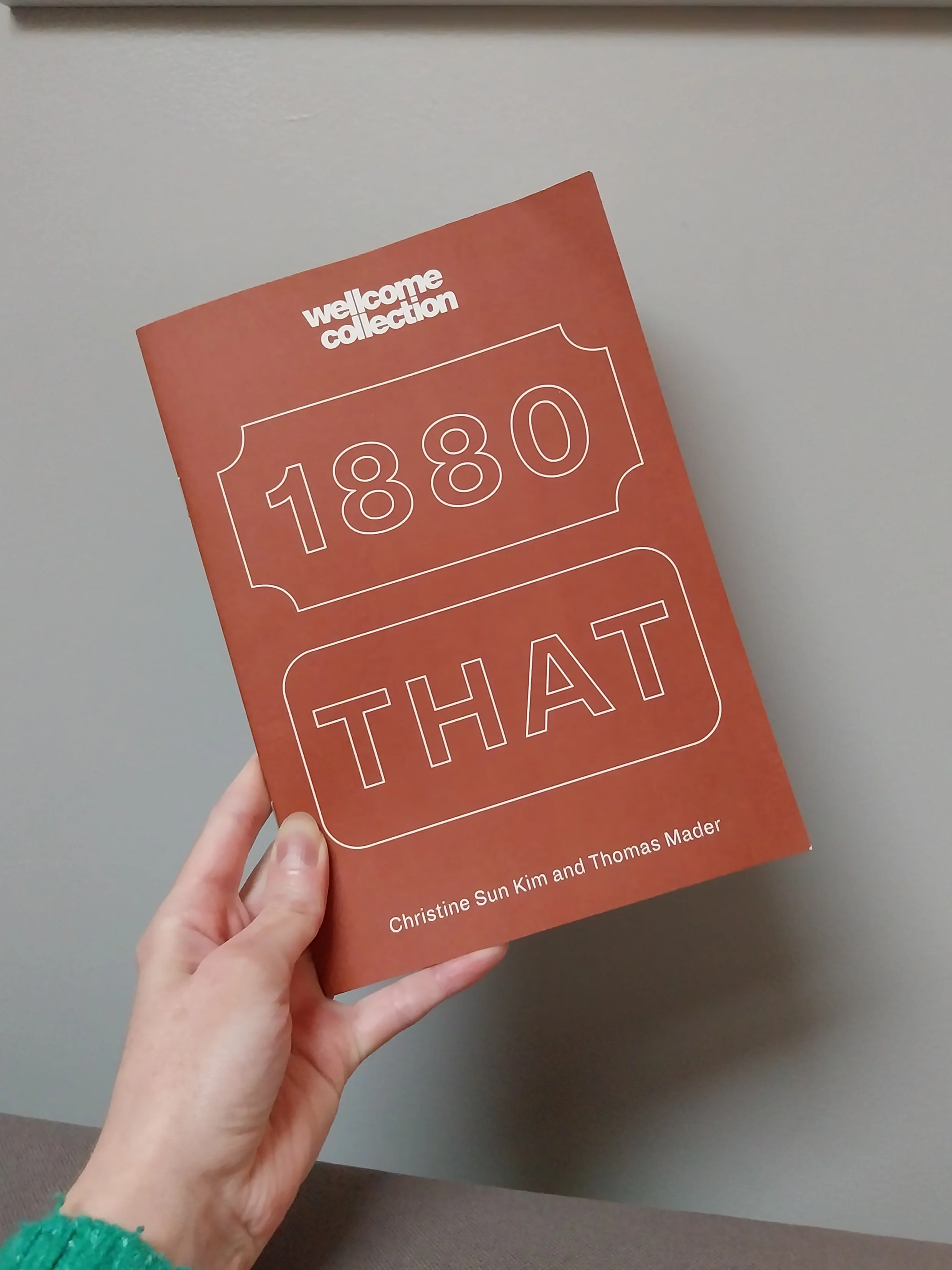
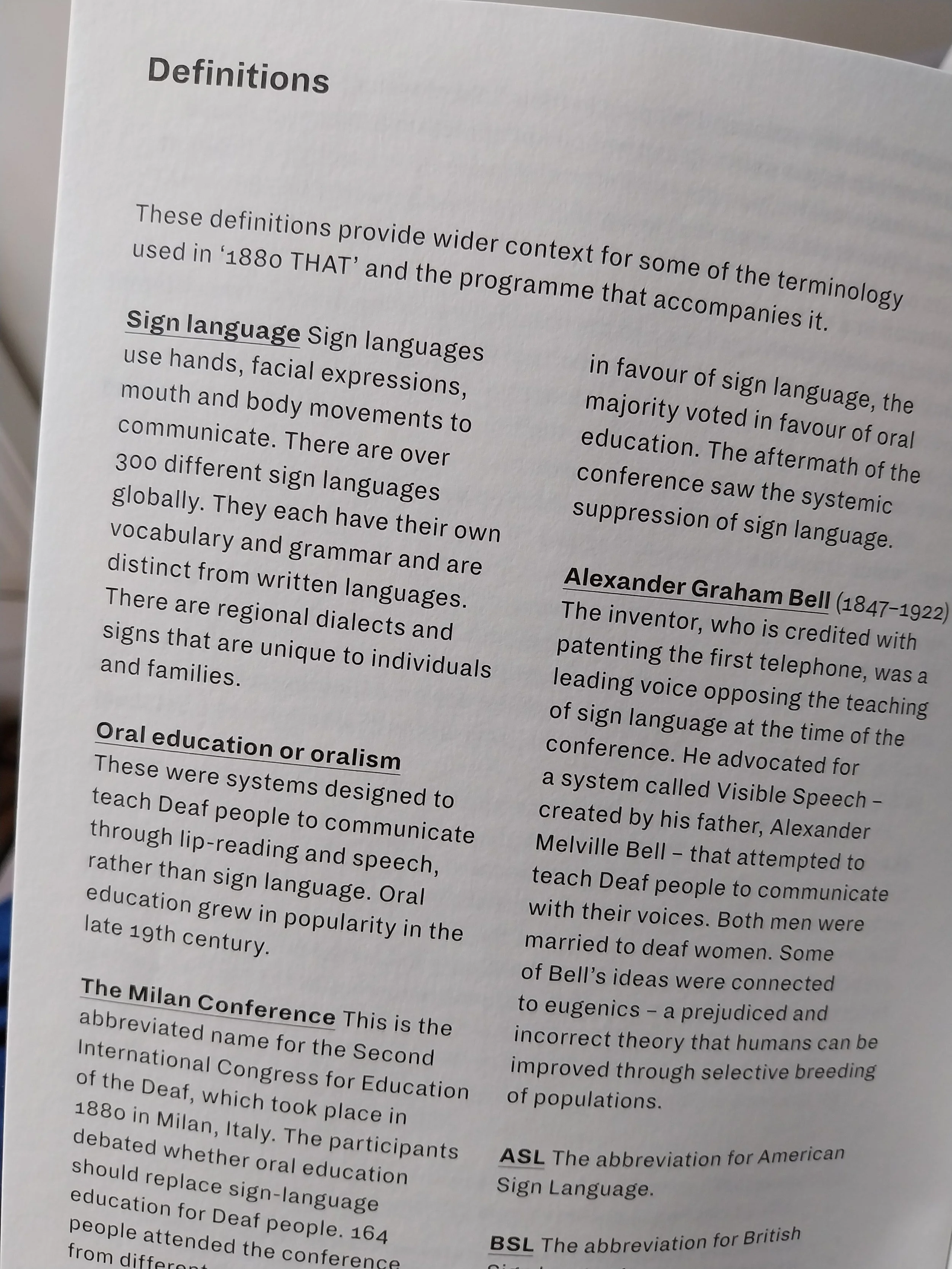
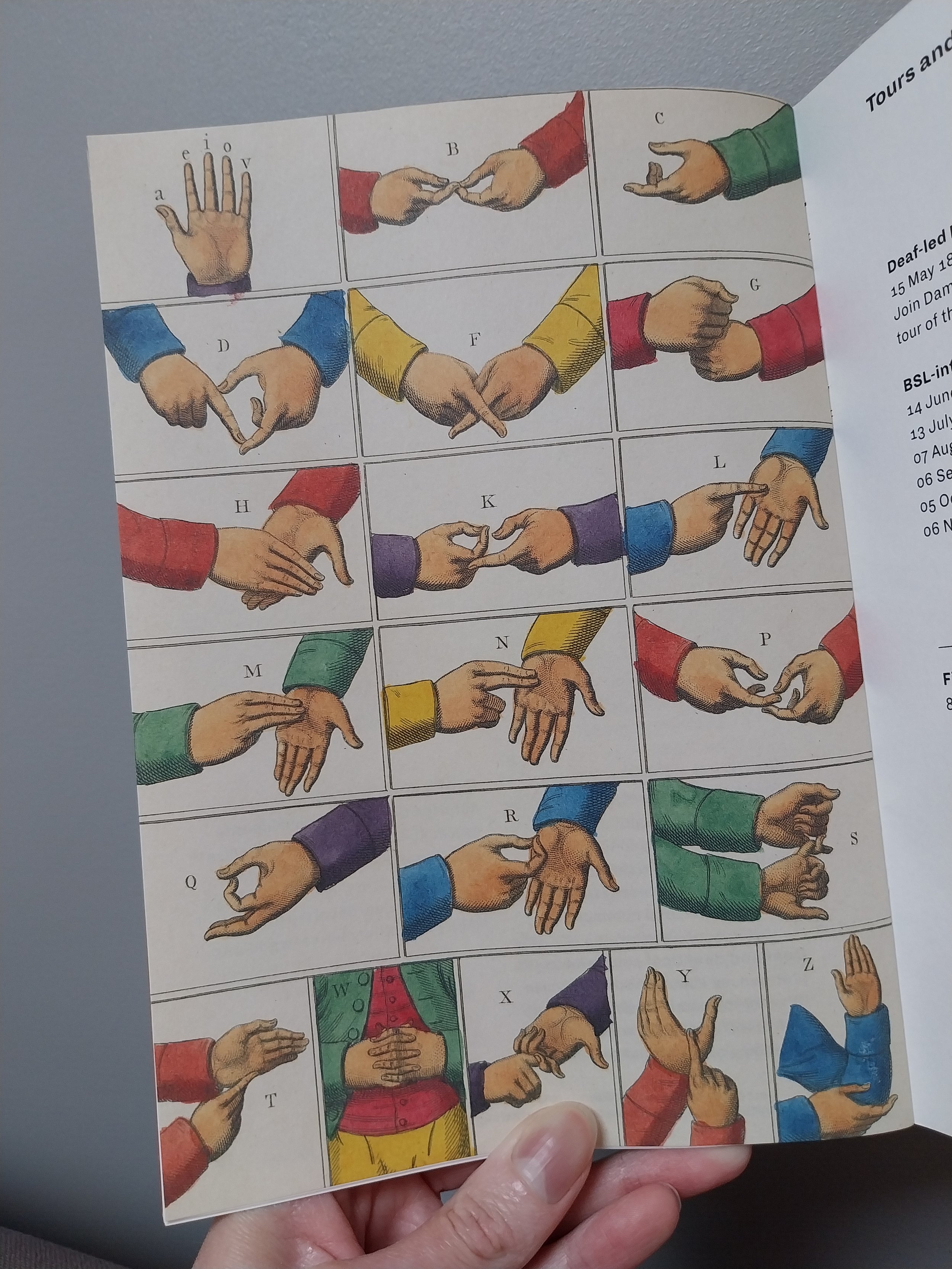
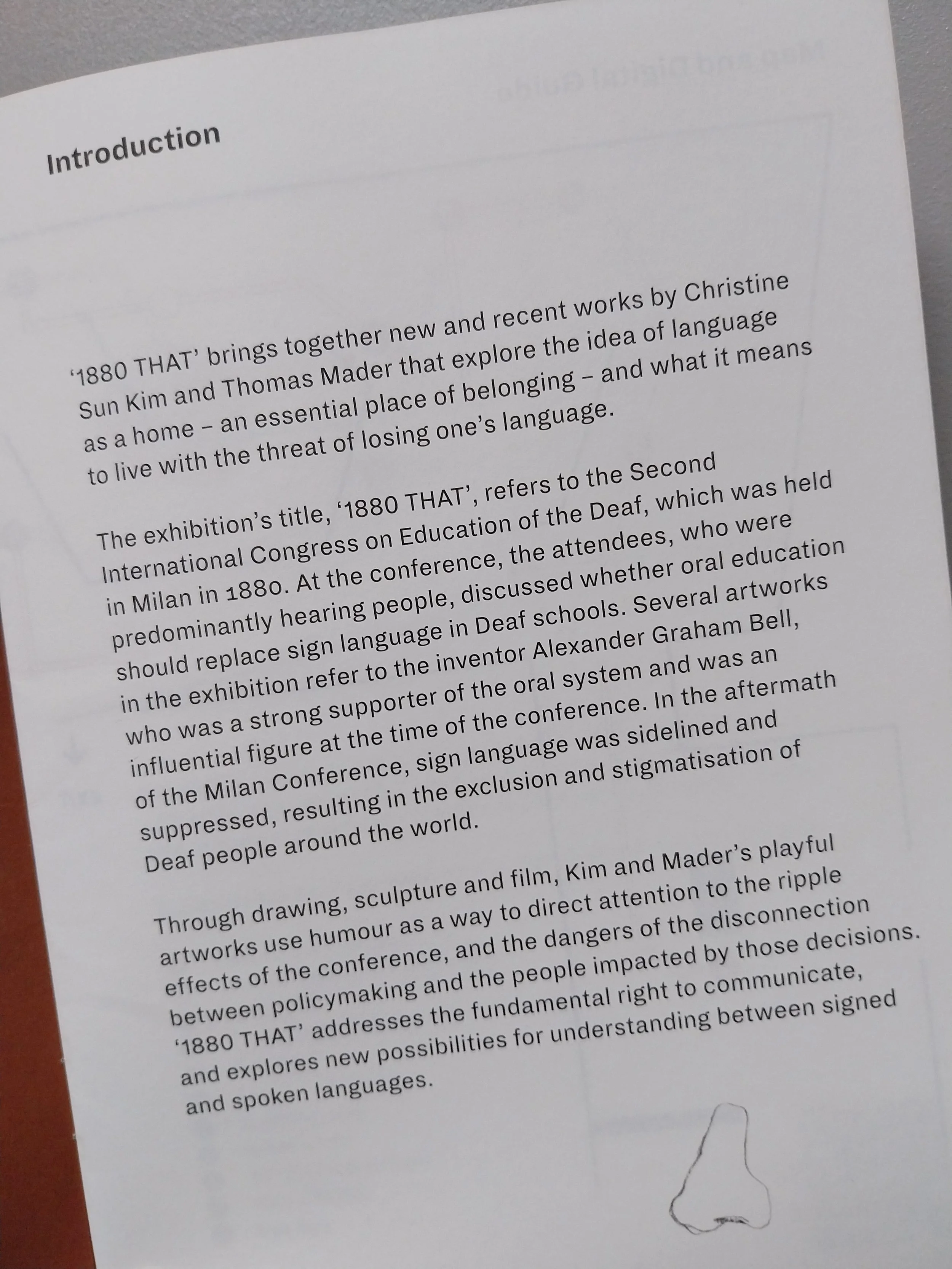
After having this realisation, me and my partner had a conversation and decided we would start learning some signs. This will be a slow process, but we hope to learn the signs that are important to us so we can communicate in a form of Sign Supported English (SSE). We also chose to begin this journey together by visiting the Wellcome Collection’s 1880 THAT exhibition about deaf experiences and the suppression of sign languages at the International Congress on Education of the Deaf in Milan in 1880. At the time of writing, this exhibition is still available to visit until 6th April 2026.
This exhibition really gave me the opportunity to start drawing that line and connect this new dot into my identity picture. The Milan conference is a part of deaf history I did not know before and is exactly the sort of thing I want to know more about. Learning this history made me angry for all the deaf people who were affected by the decisions made by the hearing people at this conference – something I can relate to all too well being a queer, disabled person in the world today.
Walking round the gallery also initiated conversations between me and my partner about deafness and communication. For example, we discovered, while standing next to the Look Up My Nose drum, that I am far more sensitive to vibrations than she is! And we both found it really interesting that the BSL videos beside each text panel were giving us slightly different information, often more than the text alone, with far more expressions and emotion behind it too.
This is just the beginning of me embracing being hard of hearing. I will continue learning about deaf experiences, culture and history, adjusting to my needs when it comes to language and communication, and learning signs with my partner. I am so glad to have begun connecting being hard to hearing into my identity map and I am looking forward to what lies ahead.